
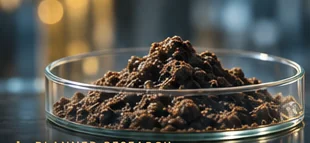
Planned research
Selective separation
Understand capture, solids pathways and cleaning. Investigate how feed properties and operating conditions affect the result.
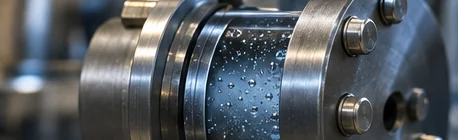
Research & development
A research agenda for the next generation of sanitation technologies.
Planned research directions
Understand capture, solids pathways and cleaning. Investigate how feed properties and operating conditions affect the result.
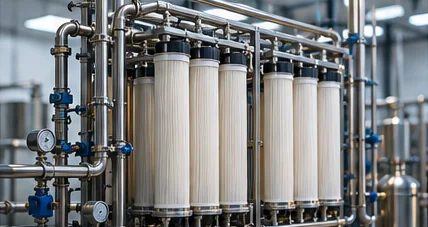
Study biological, physical, chemical and electrochemical methods according to the actual contaminant and application.
Investigate durability, accessible service and replaceable wear parts. Include cleaning waste and maintenance needs.
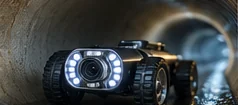
Explore suitable sensing, traceable records and bounded automation. Make uncertain measurements and operating limits visible.
Images illustrate research themes; they do not represent a catalogue of validated ENSATS products or facilities.
Define the interaction. Predict the result. Measure the limits.
Form a clear and testable proposition.
Design and run controlled studies.
Analyse results and refine the understanding.